
BIPOC & Marginalized Communities

Experiences of racism, discrimination, and systemic oppression carry real psychological weight. The chronic stress of navigating predominantly white spaces, the exhaustion of code-switching, the trauma of microaggressions and overt racism—these aren't individual failures or personal sensitivity. They're normal responses to unjust systems and structures.
We center the experiences of Black, Indigenous, and people of color in our work. This means recognizing how racism—individual, institutional, and structural—shapes mental health, identity, and daily life. It means understanding that healing isn't just about managing symptoms but also about addressing the real external sources of pain and developing strategies for navigating ongoing injustice. We approach this work with cultural humility, recognizing that we are always learning and that anti-racism requires ongoing commitment rather than a one-time achievement.
As therapists of color and immigrants ourselves, we bring lived experience alongside training in racial trauma, cultural identity development, and social justice-oriented practice. We work in English, Spanish, Mandarin, and Italian, with offices in Chicago and Evanston, and we honor the intersections of race, culture, immigration status, class, gender, sexuality, and other identities.
Racial Trauma & Systemic Oppression
Racial trauma refers to the cumulative psychological impact of racism—acute incidents, chronic stress of marginalization, and intergenerational transmission of historical trauma. This isn't a clinical diagnosis but a recognition that racism causes real harm to psychological wellbeing.
Processing Experiences of Racism and Discrimination
Acute incidents—being called a slur, witnessing police violence, experiencing discrimination in hiring or housing—can be jarring and destabilizing. But for many people of color, the chronic stress of daily racism is equally damaging. Always being hypervigilant, anticipating discrimination, managing others' perceptions, and absorbing messages that you're less than or don't belong—this chronic activation takes a toll. Intergenerational racial trauma, passed down through families and communities who have survived slavery, genocide, colonization, and displacement, can shape how people experience the world even when they haven't directly experienced the original trauma. In our work, people process both acute incidents and cumulative stress, making space for anger, grief, and exhaustion without judgment.
Navigating Microaggressions and Racial Gaslighting
Microaggressions—"Where are you really from?" "You're so articulate," being followed in a store, having your name mispronounced repeatedly, being mistaken for service staff—accumulate into a constant drain. Each incident alone might seem small, which is precisely what makes them so insidious. Others minimize or deny these experiences, leaving people questioning their reality: Was that racist or am I being too sensitive? This racial gaslighting compounds the original harm. In therapy, people examine the exhaustion of navigating these daily indignities, the anger at having to explain racism to those who deny it, and the impossible choice between speaking up (and risking being labeled angry or difficult) and staying silent (and carrying the weight alone).
Healing from Systemic Oppression's Psychological Impact
Systemic oppression doesn't just create external barriers—it can become internalized. Internalized racism, the absorption of negative messages about one's racial or ethnic group, can shape self-worth, ambition, and relationships. Historical trauma—the collective wounding of communities through slavery, colonization, forced displacement, and genocide—lives on through generations. In this work, people explore how systemic oppression has shaped their self-concept and reclaim narratives that resist dominant cultural stories. This healing can be both individual (processing personal experiences) and collective (connecting with community, engaging in social justice work, finding strength in cultural identity and resistance).
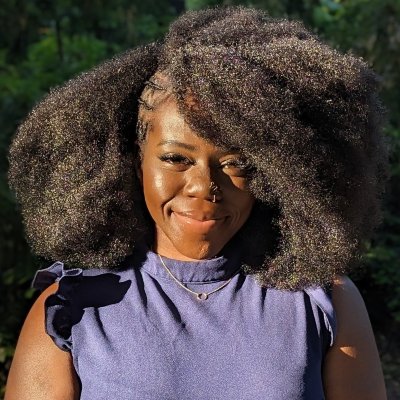
Therapists for this area:




Cultural Identity & Belonging
Navigating identity as a person of color in the United States involves holding multiple, sometimes conflicting, realities at once. Questions of belonging, authenticity, and where one fits can feel particularly acute.
Bicultural and Multicultural Identity Navigation
Code-switching—changing speech patterns, behavior, dress, and self-presentation depending on whether you're in white spaces or communities of color—is a survival skill many people of color develop early. It's adaptive and often necessary, but it's also exhausting. Some describe feeling like they're performing different versions of themselves, or never feeling fully authentic in any setting. "Not Black enough," "not Latinx enough," "too Asian," "too white"—these messages can come from both white communities and one's own racial or ethnic community. Colorism and intra-community bias based on skin tone, hair texture, language fluency, or other markers add another layer of complexity. In therapy, people explore what it means to build an integrated identity that honors all parts of themselves rather than compartmentalizing or choosing sides. Some find pride and strength in being bicultural or multicultural; others grieve the sense of not fully belonging anywhere.
Navigating Predominantly White Spaces
Workplace tokenism—being the only person of color in the office, on the team, or in leadership—brings unique pressures. Being "the only one" often means hypervisibility (every action scrutinized as representative of your entire race) alongside invisibility (your contributions overlooked, your voice ignored in meetings). Imposter syndrome, already common among high achievers, compounds with racism: Am I here because of my qualifications or to fill a diversity quota? Did I really earn this or am I benefiting from affirmative action? These questions, rooted in systemic inequity and racist narratives, can erode confidence even when accomplishments are significant. In this work, people examine how racism distorts self-perception and develop strategies for managing these predominantly white spaces while protecting their wellbeing.
Finding Community and Authentic Connection
For people of color navigating predominantly white environments, finding community—spaces where you don't have to explain, translate, or justify your experience—can feel like coming home. Building chosen family, connecting with cultural roots (especially for those raised in predominantly white communities), and finding healing through community can be powerful antidotes to isolation. In therapy, people explore what authentic connection means, how to build and maintain community, and how to balance the need for culturally affirming spaces with the reality of living in a society where white spaces are often unavoidable. Pride in identity—celebrating cultural heritage, racial identity, and resistance—becomes an important part of healing from oppression.
Therapists for this area:
LGBTQ+ BIPOC Experiences
Holding multiple marginalized identities—being both a person of color and LGBTQ+—creates experiences that aren't simply additive but intersectional. Discrimination and belonging look different at these intersections.
Holding Multiple Marginalized Identities
Racism within LGBTQ+ spaces—where whiteness is centered and celebrated, where people of color are fetishized or excluded—can make finding community difficult. Homophobia and transphobia within communities of color—rooted in cultural norms, religious teachings, or survival strategies developed under oppression—can leave LGBTQ+ people of color feeling like they must choose between their racial and sexual or gender identities. Experiencing double discrimination means facing racism in LGBTQ+ spaces and homophobia or transphobia in racial or ethnic communities, often simultaneously.
Navigating Family and Cultural Expectations
Coming out in collectivist cultures, where family honor and community cohesion are paramount, involves different stakes than in more individualistic contexts. Balancing LGBTQ+ identity with cultural or religious traditions that condemn it can feel impossible—some people face family rejection, religious exile, or community ostracism. Others find families who struggle but ultimately accept, or who hold contradictions without fully resolving them. In therapy, people process the grief of family rejection when it occurs, navigate the complexity of partial acceptance, and explore what it means to honor cultural identity while also living authentically as LGBTQ+.
Finding Affirming Spaces and Chosen Family
Building community across intersections—finding spaces that affirm both racial and LGBTQ+ identities—can take time but offers profound connection. Celebrating the full self, refusing to compartmentalize or minimize any part of identity, becomes an act of resistance. In our work, people explore how to build chosen family, find affirming community, and cultivate resilience and joy despite facing oppression on multiple fronts. This work acknowledges the weight of systemic injustice while also honoring the strength, creativity, and joy that exist within LGBTQ+ BIPOC communities.
Therapists for this area:
Ready to Connect?
Not sure where to start? We're here to help. You can review our therapist profiles and email a clinician directly, or contact us to schedule a free 15-minute consultation to help find the right fit.